
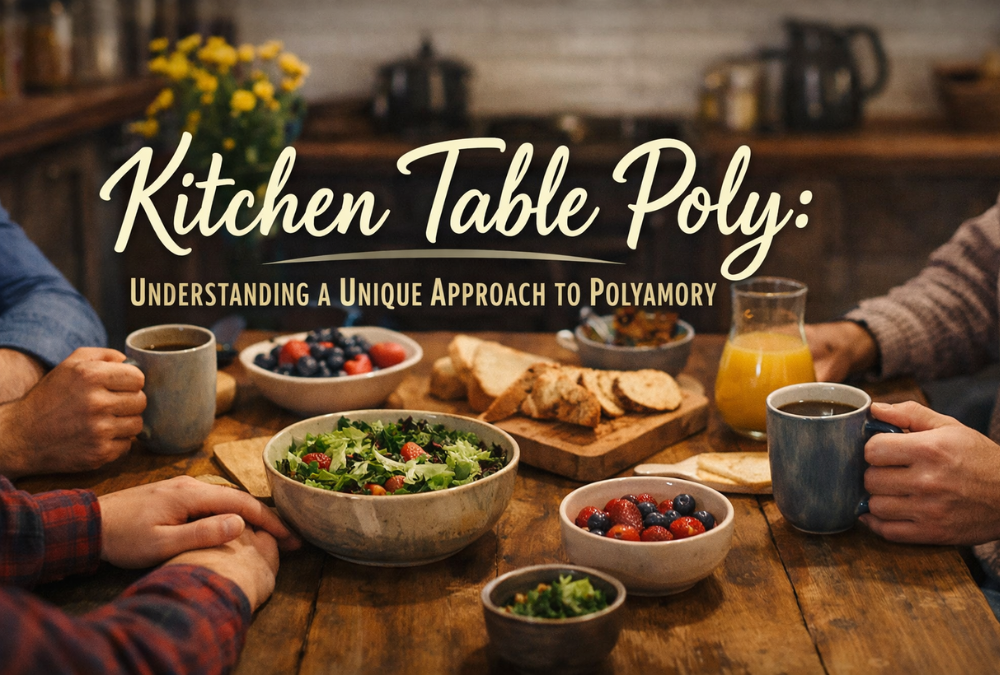
Polyamory, the practice of engaging in multiple consensual romantic relationships, is becoming increasingly visible in contemporary society. Within this diverse world of relationship structures, a term that has recently gained attention is kitchen table poly. This approach emphasizes connection, communication, and collaboration among partners in a casual, communal, and often domestic way. Unlike other forms of polyamory that may focus on romantic or sexual exclusivity, it prioritizes friendship, shared spaces, and the comfort of coexisting harmoniously.
What is Kitchen Table Poly?
Kitchen table poly is a style of polyamorous relationships where all partners are comfortable spending time together in everyday, mundane settings—like sitting around the kitchen table. It’s about creating a sense of family and community among multiple partners, rather than keeping relationships compartmentalized or strictly romantic.
The term originates from the idea that people in this style of polyamory can casually gather at someone’s kitchen table, sharing meals, conversations, and everyday life without tension or hierarchy. In essence, it blends friendship, romance, and practicality, allowing everyone involved to maintain a supportive network.
Key Principles of Kitchen Table Poly
-
Communication is Central
Open and honest dialogue is essential. Kitchen table poly assumes that partners can discuss feelings, boundaries, and expectations freely. Misunderstandings are minimized because everyone is encouraged to express themselves openly. -
Equality and Inclusion
Unlike hierarchical poly models, where a “primary” partner may take precedence, it values equality. Each relationship is treated with respect, and no one’s needs or feelings are considered more important than another’s. -
Shared Spaces and Activities
The metaphorical “kitchen table” represents shared space, both physically and emotionally. Partners can attend casual gatherings, meals, or events together. This communal aspect strengthens bonds and fosters a sense of family-like cohesion. -
Friendship as a Foundation
it emphasizes friendship alongside romantic or sexual connections. Partners genuinely enjoy each other’s company, which can lead to long-term, meaningful relationships beyond romance.
Benefits of Kitchen Table Poly
1. Stronger Emotional Support
Having multiple partners who interact openly creates a robust support network. In challenging times, members of a kitchen table poly group can lean on one another for emotional guidance, advice, and companionship.
2. Reduced Jealousy
Since all partners are integrated into social and domestic spaces, there’s less room for secrecy or exclusion. Transparency reduces jealousy, as everyone knows who is involved and what the boundaries are.
3. Sense of Community
It creates an extended family atmosphere. It encourages shared activities, communal meals, and celebrations, which strengthens connections and fosters a sense of belonging.
4. Flexible Relationship Dynamics
This approach allows individuals to define their connections on their own terms. Some relationships may be primarily romantic, others platonic, and many a mix of both. The emphasis is on comfort and consent rather than rigid rules.
Challenges of Kitchen Table Poly
1. Navigating Conflicting Needs
With multiple partners spending time together, conflicts may arise over priorities, boundaries, or personal time. Effective communication is vital to address these challenges.
2. Time Management
Balancing multiple relationships while maintaining social, professional, and personal responsibilities can be difficult. Partners must be mindful of each other’s time and energy.
3. Emotional Complexity
Not all partners may be comfortable with constant interaction. Some may prefer a more independent or hierarchical approach, making integration into a kitchen table model challenging.
4. Social Misunderstanding
Kitchen table poly is still misunderstood by many outside the polyamorous community. Friends, family, or coworkers may have difficulty grasping the concept, which can create social stress.
How to Practice Kitchen Table Poly
1. Start with Communication
Begin by discussing desires, boundaries, and expectations with all partners. Make sure everyone is on the same page about what it means for your group.
2. Plan Shared Activities
Create opportunities for partners to interact casually. This could include meals, game nights, outings, or even collaborative projects at home. The goal is comfort and casual togetherness.
3. Establish Boundaries
While inclusivity is key, boundaries are still necessary. Discuss what’s acceptable in terms of privacy, physical intimacy, and emotional expression. Respecting these boundaries ensures harmony.
4. Build a Supportive Environment
Encourage empathy, active listening, and mutual support. Celebrate successes together, provide comfort during struggles, and prioritize emotional well-being for all involved.
5. Be Flexible
Kitchen table poly is not one-size-fits-all. Each group can define its rhythm, level of interaction, and boundaries. Flexibility allows relationships to grow organically without pressure.
Kitchen Table Poly vs. Other Polyamorous Styles
| Style | Focus | Interaction | Notes |
|---|---|---|---|
| Hierarchical Poly | Primary and secondary partners | Limited | May create tension between levels |
| Solo Poly | Independence and autonomy | Limited | Partners may not share spaces |
| Kitchen Table Poly | Friendship, community, inclusivity | High | Emphasizes group cohesion and shared life |
| Relationship Anarchy | Freedom from rules | Variable | Prioritizes personal choice over structure |
Unlike hierarchical poly, kitchen table poly avoids ranking partners. Unlike solo poly, it encourages daily interaction and emotional interdependence. Compared to relationship anarchy, it emphasizes community and shared experiences rather than purely individual choice.
Real-Life Examples of Kitchen Table Poly
Many kitchen table poly groups form naturally among friends who later develop romantic or sexual connections. For example:
-
A triad where all members attend each other’s family gatherings and social events.
-
A network of partners who rotate hosting dinner parties at their homes.
-
Long-term poly families with children who interact harmoniously with multiple adult partners.
In these examples, the focus is on creating a sense of familial unity rather than keeping relationships secret or compartmentalized.
FAQs About Kitchen Table Poly
1. Can I be a kitchen table poly person if I am new to polyamory?
Yes. Kitchen table poly is welcoming to beginners because it emphasizes friendship, communication, and community rather than complex hierarchies. Start slowly, build trust, and allow relationships to develop naturally.
2. Do all partners have to get along?
Ideally, yes. Harmony is central to the model. However, differences can exist. Conflict is natural, but respectful resolution and shared values help maintain a positive environment.
3. Is sexual intimacy required?
No. Kitchen table poly can include romantic, sexual, or purely platonic relationships. The focus is on emotional connection, communication, and shared life rather than sexual activity.
4. How do I handle jealousy in kitchen table poly?
Transparency is the key. Discuss feelings openly, set clear boundaries, and normalize the experience of jealousy as a natural emotion that can be managed through dialogue and empathy.
5. Can kitchen table poly work for families with children?
Absolutely. Many poly families use this model to create a stable, inclusive environment for children. Multiple supportive adults can provide diverse perspectives, care, and companionship.
6. How is it different from just being friends?
The distinction lies in the romantic or sexual aspect. While friendship is foundational, kitchen table poly allows for multi-dimensional relationships that include emotional, romantic, or sexual connections in a communal context.
Tips for Success in Kitchen Table Poly
-
Prioritize Emotional Safety – Make sure all members feel secure and respected.
-
Practice Active Listening – Give attention and validation to each partner’s thoughts and feelings.
-
Celebrate Community – Share meals, holidays, and achievements to reinforce bonds.
-
Respect Individual Space – Allow for alone time and independence despite high interaction.
-
Check-In Regularly – Revisit boundaries, desires, and group dynamics to ensure satisfaction and prevent tension.
Conclusion
Kitchen table poly is a unique, community-oriented approach to polyamory that emphasizes friendship, communication, and shared domestic life. It provides a model for multiple partners to coexist harmoniously, offering emotional support, reduced jealousy, and a strong sense of community. While it requires commitment, communication, and emotional maturity, it can result in deeply fulfilling relationships that extend beyond traditional romantic or sexual boundaries.
For those seeking a polyamorous experience rooted in friendship, inclusivity, and everyday life, its offers an adaptable, warm, and human-centered framework.