
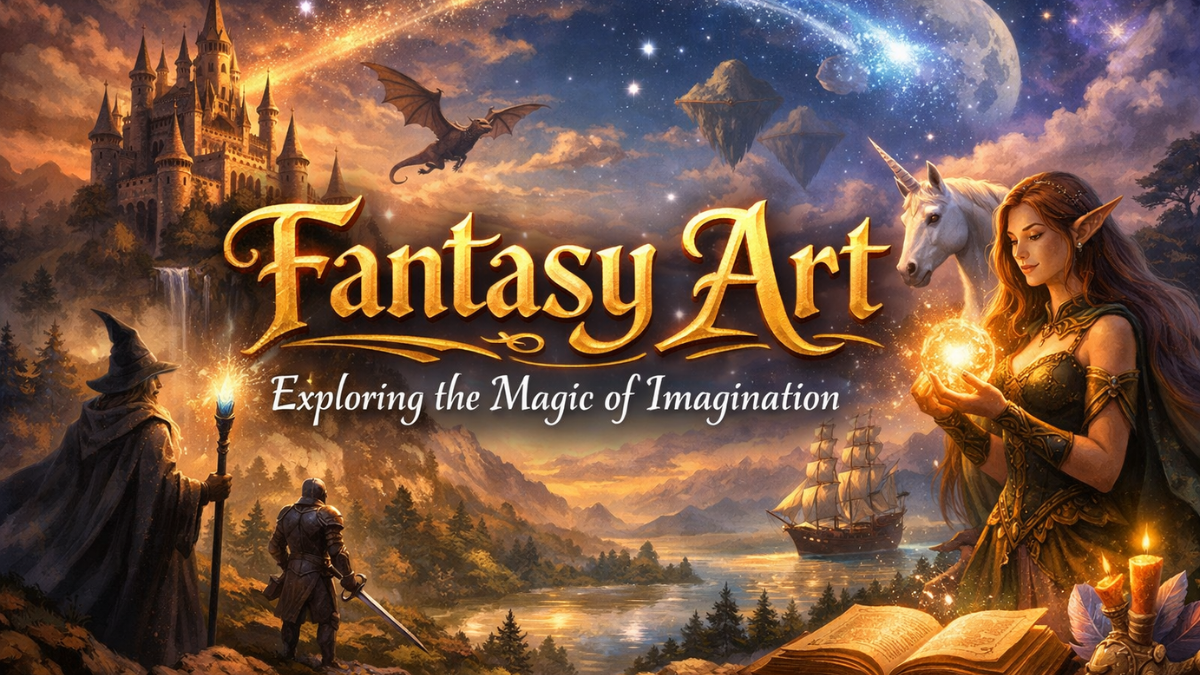
Fantasy art is one of the most captivating forms of visual expression. It takes viewers beyond the boundaries of the real world and into magical realms filled with mythical creatures, powerful heroes, enchanted landscapes, and mysterious adventures. Unlike realistic art that focuses on everyday life, fantasy art thrives on imagination and creativity. Artists use their skills to bring dreams, legends, and fictional worlds to life.
Over the years, fantasy art has gained immense popularity in books, movies, video games, and digital media. From epic dragons flying across the sky to magical kingdoms hidden in misty mountains, fantasy art continues to inspire people of all ages.
What Is Fantasy Art?
Fantasy art is a genre of visual art that represents imaginary worlds, magical creatures, and supernatural themes. It is heavily inspired by myths, folklore, legends, and fictional stories. Artists create scenes that cannot exist in reality but feel believable within the world they build.
This type of art often includes elements such as:
-
Dragons and mythical beasts
-
Wizards, witches, and magical beings
-
Enchanted forests and mysterious landscapes
-
Medieval castles and kingdoms
-
Heroes, warriors, and adventurers
The goal of fantasy art is to spark imagination and tell a visual story. Many fantasy artists combine realistic techniques with imaginative concepts to create artwork that feels both magical and believable.
The History of Fantasy Art
Fantasy art did not suddenly appear in modern times. Its roots can be traced back to ancient mythology and storytelling traditions. Early civilizations created art that depicted gods, monsters, and legendary heroes.
During the Middle Ages, artists illustrated religious and mythical stories in manuscripts and paintings. These works often included angels, demons, and symbolic creatures.
The modern form of fantasy art began to develop in the 19th and early 20th centuries when artists started illustrating fantasy literature. Books featuring magical worlds and epic adventures inspired painters and illustrators to visualize these stories.
In the 20th century, fantasy art expanded greatly through book covers, comic books, and role-playing games. As technology evolved, digital tools allowed artists to create even more detailed and immersive fantasy worlds.
Key Elements of Fantasy Art
Fantasy art stands out because of its unique visual elements. These features help create a sense of wonder and imagination.
Mythical Creatures
Mythical creatures are one of the most recognizable parts of fantasy art. Dragons, griffins, unicorns, phoenixes, and other legendary beings often appear in fantasy scenes. These creatures symbolize mystery, power, and magic.
Magical Characters
Fantasy art frequently includes characters such as wizards, sorcerers, elves, fairies, and warriors. Each character often has a unique role within the fantasy world. Their costumes, weapons, and abilities reflect the magical environment they belong to.
Enchanted Landscapes
Fantasy artists often create breathtaking environments. These may include floating islands, glowing forests, mysterious caves, or ancient ruins. The landscapes help build the atmosphere of the fantasy world.
Epic Battles and Adventures
Many fantasy artworks depict dramatic scenes such as battles between heroes and monsters. These images capture action, emotion, and storytelling in a single frame.
Fantasy Art in Modern Entertainment
Fantasy art plays a major role in many forms of modern entertainment. It is widely used in movies, books, games, and animation.
Fantasy Books
Fantasy novels rely heavily on artwork for book covers and illustrations. These images give readers a glimpse into the magical world inside the story.
Video Games
Fantasy art is essential in video games. Game designers create characters, environments, weapons, and creatures using fantasy concepts. This helps build immersive worlds that players can explore.
Movies and Animation
Fantasy films use concept art to design costumes, creatures, and locations. Before filming begins, artists create detailed drawings to help filmmakers visualize the story.
Trading Cards and Comics
Fantasy artwork is also popular in trading card games and comic books. The dramatic visuals help bring stories and characters to life.
Types of Fantasy Art Styles
Fantasy art comes in many different styles. Each style offers a unique way of expressing imagination.
Traditional Fantasy Art
Traditional fantasy art is created using physical materials such as pencils, paints, ink, and canvas. Many classic fantasy artists worked in this style before digital tools became popular.
Digital Fantasy Art
Digital art has become the most common method for creating fantasy artwork today. Artists use software and drawing tablets to produce highly detailed illustrations with vibrant colors and lighting effects.
Dark Fantasy Art
Dark fantasy art focuses on mysterious, gothic, or horror-inspired themes. It often includes darker color palettes, eerie creatures, and haunting environments.
High Fantasy Art
High fantasy art typically features grand adventures, heroic characters, and magical kingdoms. It often feels epic and majestic.
Surreal Fantasy Art
Surreal fantasy art blends dreamlike imagery with fantasy elements. The scenes may appear strange, abstract, or symbolic.
Popular Themes in Fantasy Art
Fantasy art often revolves around certain recurring themes that capture people’s imagination.
Dragons and Legendary Beasts
Dragons are among the most iconic subjects in fantasy art. They symbolize strength, danger, and ancient power.
Magical Kingdoms
Many fantasy artworks depict vast kingdoms filled with castles, knights, and royal characters. These settings often resemble medieval times but include magical elements.
Good vs Evil
The battle between good and evil is a common theme. Heroes often face dark forces, monsters, or powerful villains.
Nature and Magic
Nature is often portrayed as magical in fantasy art. Forests glow with mysterious energy, rivers sparkle with enchantment, and mountains hide ancient secrets.
Tools Used to Create Fantasy Art
Fantasy artists use a variety of tools to bring their ideas to life.
Traditional Tools
Some artists still prefer traditional methods such as:
-
Pencils and charcoal
-
Watercolors
-
Oil paints
-
Ink pens
These tools give artwork a classic and textured appearance.
Digital Tools
Modern artists frequently use digital software. Popular tools include drawing tablets and digital painting programs that allow artists to experiment with lighting, color, and special effects.
Digital tools also make it easier to edit artwork and create highly detailed scenes.
Why Fantasy Art Is So Popular
Fantasy art continues to attract millions of fans around the world. One reason is that it allows people to escape everyday reality. By looking at fantasy artwork, viewers can imagine themselves exploring magical worlds and exciting adventures.
Another reason for its popularity is storytelling. Every piece of fantasy art usually tells a story or suggests a larger world beyond the image.
Fantasy art also inspires creativity. Many artists start drawing fantasy characters and creatures because the genre allows unlimited imagination.
How to Start Creating Fantasy Art
If someone wants to begin creating fantasy art, there are several steps that can help.
Study Real-World Anatomy and Nature
Even though fantasy art is imaginary, many artists study real animals, landscapes, and human anatomy. This helps make their creations feel believable.
Practice Sketching
Sketching ideas regularly helps develop creativity and drawing skills. Many artists start with rough sketches before creating detailed artwork.
Learn Color and Lighting
Lighting plays a huge role in fantasy art. Magical environments often include glowing effects, dramatic shadows, and vibrant colors.
Build a Fantasy World
Creating a unique world with its own creatures, cultures, and environments can make fantasy artwork more interesting and original.
The Future of Fantasy Art
Fantasy art continues to evolve as technology advances. Digital tools, virtual reality, and artificial intelligence are opening new possibilities for artists.
Artists can now create incredibly detailed scenes that feel almost real. Video games and films rely heavily on fantasy art to build immersive universes.
Social media and online art communities also allow artists to share their work with global audiences. This has helped the fantasy art genre grow faster than ever before.
As storytelling and technology continue to develop, fantasy art will remain an important and inspiring part of visual culture.
Conclusion
Fantasy art is a powerful form of creative expression that brings imagination to life. By blending storytelling, mythology, and artistic skill, fantasy artists create worlds filled with magic, adventure, and wonder.
From ancient legends to modern digital masterpieces, fantasy art continues to inspire audiences everywhere. Whether seen in books, films, games, or galleries, it reminds us that creativity has no limits.
For both artists and fans, fantasy art offers a gateway to endless possibilities and unforgettable worlds.
FAQs About Fantasy Art
What is fantasy art?
Fantasy art is a style of visual art that focuses on imaginary worlds, magical creatures, and supernatural themes. It is inspired by myths, legends, and fictional stories.
What are common subjects in fantasy art?
Common subjects include dragons, wizards, mythical creatures, enchanted landscapes, warriors, and magical kingdoms.
Is fantasy art only digital?
No. Fantasy art can be created using both traditional methods like painting and drawing, as well as digital tools and software.
Why is fantasy art important in entertainment?
Fantasy art helps design characters, environments, and creatures for movies, video games, books, and animation, making fictional worlds visually believable.
Can beginners create fantasy art?
Yes. Beginners can start by practicing drawing, studying real-world anatomy, and experimenting with imaginative concepts. With time and practice, anyone can develop their own fantasy art style.
What skills are needed for fantasy art?
Important skills include drawing, creativity, color theory, lighting, and storytelling through visual design.