Artificial intelligence is transforming the way designers, marketers, and content creators produce visual content. One of the most exciting innovations in this space is image to image AI, a technology that can transform an existing image into a new visual style, concept, or composition using machine learning.
In traditional design workflows, transforming an image—such as turning a sketch into realistic artwork or changing the style of a photo—required advanced design skills and hours of editing. Today, AI tools can perform these transformations automatically within seconds.
For creators, this technology opens new possibilities for visual storytelling, digital marketing, and multimedia production. In this guide, we’ll explore how image-to-image AI works, its impact on modern content creation, and the best tools available today.
What Is Image to Image AI?
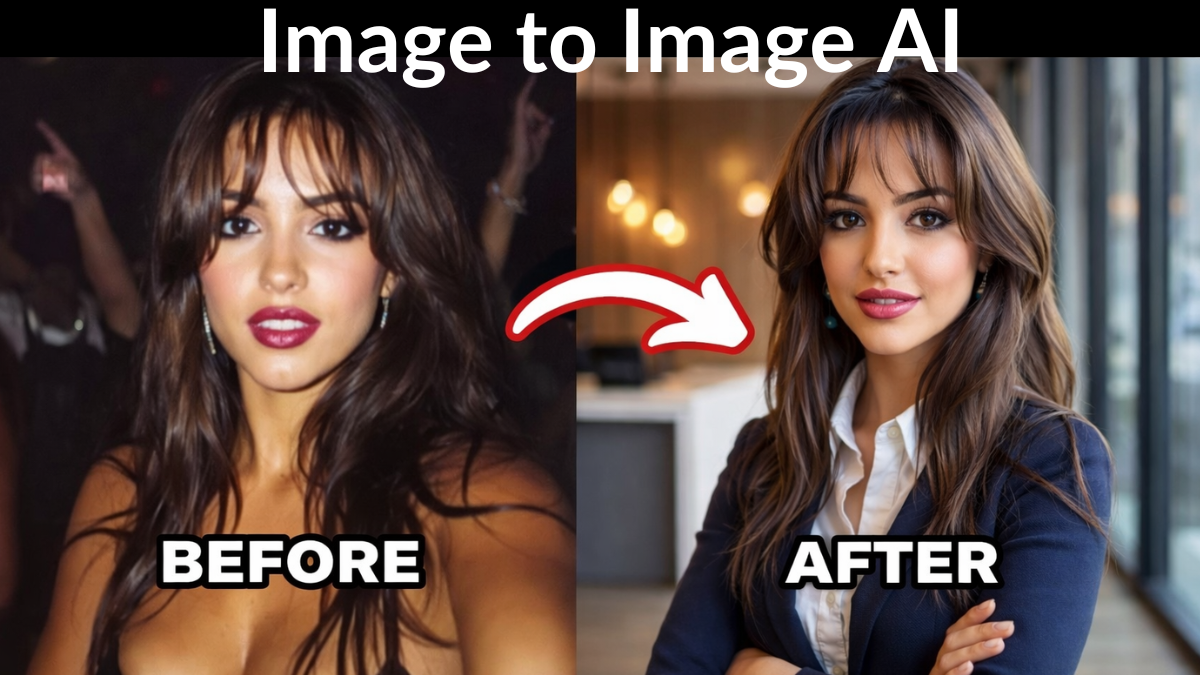
Image to image AI is a generative AI technique that transforms one image into another while preserving its structure and composition. Instead of creating visuals entirely from text prompts, this technology starts with an existing image and modifies it using AI models trained on large datasets of visual patterns.
For example, an image-to-image AI tool can:
- Convert a pencil sketch into realistic artwork
- Change a daytime scene into a nighttime environment
- Apply artistic styles such as watercolor or digital painting
- Enhance textures, colors, and lighting
Because the AI understands the structure of the original image, it maintains the composition while generating new variations.
This capability makes image-to-image AI particularly useful for designers who want to explore multiple creative directions quickly.
Why Image to Image AI Is Transforming Digital Design
The rise of image-to-image AI is changing digital design workflows in several important ways.
Faster Creative Iteration
Designers can now generate multiple variations of a single image within seconds. Instead of manually editing each version, AI can produce different styles and compositions instantly.
Lower Barriers to Entry
Previously, creating professional visuals required tools like Photoshop and years of design experience. AI-powered tools make visual creation accessible even to beginners.
Enhanced Creativity
Image-to-image AI allows creators to experiment with artistic styles that would normally require specialized illustration skills.
Improved Productivity
Businesses can produce marketing visuals, product images, and promotional graphics faster than traditional design methods.
These advantages are why many creative teams are integrating AI-powered visual tools into their daily workflows.
The Role of Image to Image AI in Content Creation
Content creation today requires a constant flow of visuals for websites, blogs, ads, and social media. Image-to-image AI helps creators produce these visuals more efficiently.
Some common applications include:
Social Media Content
Creators can transform existing photos into stylized visuals for Instagram posts, YouTube thumbnails, or promotional graphics.
Marketing Campaigns
Brands can generate multiple variations of a campaign image to test different styles and creative concepts.
Product Visualization
E-commerce brands can modify product images to create different backgrounds, lighting conditions, or environments.
Digital Art and Illustration
Artists can use AI to experiment with new artistic directions without starting from scratch.
These applications demonstrate why image-to-image AI has become a valuable tool for modern digital creators.
How Image to Image AI Works
The technology behind image-to-image AI relies on advanced machine learning models that analyze patterns in visual data.
Here’s a simplified explanation of the process:
Step 1: Image Analysis
The AI examines the structure of the input image, identifying shapes, colors, objects, and composition.
Step 2: Style or Transformation Input
The user specifies how the image should be transformed—for example, converting a photo into a cartoon illustration.
Step 3: AI Generation
The model generates a new version of the image while maintaining the original layout.
Step 4: Output Rendering
The final result is produced in high resolution and can be downloaded or further edited.
Many tools can generate multiple variations from a single image, giving creators more design options.
How Image to Image AI Connects with an AI Video Creator
The evolution of visual AI doesn’t stop with images. Many modern tools combine image transformation with video generation.
An ai video creator like invideo can take AI-generated images and automatically convert them into dynamic video scenes. For example:
- Turning concept art into animated clips
- Creating marketing videos from product images
- Converting visual storyboards into short videos
Some AI platforms can even animate still photos with camera movements, transitions, and visual effects.
This integration of image AI and video AI is helping creators produce multimedia content much faster than traditional editing methods.
Best Image to Image AI Tools
Several AI platforms offer image-to-image transformation features. Below are five tools that can help creators generate high-quality visuals.
1. Invideo AI Image to Image Tool
Invideo provides an image to image ai tool that allows users to transform existing images into new visual styles or concepts. Users can upload an image and describe the changes they want, and the system generates new versions while maintaining the original structure.
The platform supports creative modifications such as altering visual styles, improving visual quality, and generating variations of an image for different content needs. It also integrates with video creation capabilities, allowing users to convert transformed images into dynamic visual scenes.
Another advantage is the ability to refine results with additional prompts, making it easier to adjust the final output without repeating the entire process.
Key Features
- Image transformation using AI prompts
- Style variations while preserving composition
- Quick image generation and editing
- Integration with video creation workflows
- Export-ready visuals for digital content
2. Adobe Firefly
Adobe Firefly is an AI-powered design tool developed for creative professionals. It offers image-to-image generation features that allow users to transform images into different artistic styles or visual concepts.
Because Firefly integrates with the Adobe ecosystem, it works well for designers who use Photoshop, Illustrator, and other creative tools.
Key Features
- Image style transformation
- Integration with Adobe design software
- AI-assisted visual editing tools
- High-resolution image generation
- Commercial-friendly content generation
3. Stable Diffusion
Stable Diffusion is an open-source AI image generation model widely used for both text-to-image and image-to-image transformations. Users can upload an existing image and apply style modifications or generate new variations.
Because it is open-source, many developers have built custom interfaces and tools based on Stable Diffusion.
Key Features
- Open-source AI image model
- Image-to-image transformation support
- Customizable generation parameters
- Community-developed extensions
- High-resolution image outputs
4. Runway ML
Runway ML offers creative AI tools for designers, filmmakers, and content creators. Its image-to-image features allow users to modify images and experiment with different visual styles.
The platform also provides video editing and visual effects tools, making it useful for multimedia projects.
Key Features
- AI-powered image transformation
- Visual effects and editing tools
- Real-time creative experimentation
- Integration with video production workflows
- Collaborative project features
5. DeepAI Image Generator
DeepAI offers an accessible platform for generating and modifying images using artificial intelligence. Users can upload an image and apply different transformations using AI models.
The tool focuses on simplicity, making it suitable for beginners exploring AI-generated visuals.
Key Features
- Image transformation using AI models
- Easy-to-use web interface
- Multiple creative styles
- Fast image generation
- Downloadable outputs
The Future of Image to Image AI
The development of image-to-image AI is still evolving, and its capabilities are expected to expand significantly in the coming years.
Future improvements may include:
Higher Image Realism
AI models will continue improving in generating photorealistic images with accurate lighting and textures.
Real-Time Image Editing
Designers may soon be able to modify images instantly using natural language prompts.
Integrated Image and Video Creation
AI systems will increasingly combine image generation with video production tools.
Personalized Visual Content
Brands may generate customized visuals tailored to specific audiences.
These advancements will make AI-powered design tools even more powerful for creators and businesses.
Conclusion
The rise of image to image AI is reshaping digital design and content creation. By allowing creators to transform existing images into new styles and variations, this technology dramatically reduces the time and effort required to produce professional visuals.
When combined with an AI video creator, image AI becomes even more powerful, enabling creators to turn static visuals into engaging multimedia content.
As AI technology continues to evolve, designers, marketers, and creators will gain even more tools to experiment, innovate, and produce compelling visual content at scale. The future of digital creativity will increasingly rely on AI-powered workflows—and image-to-image AI is one of the key technologies driving this transformation.