
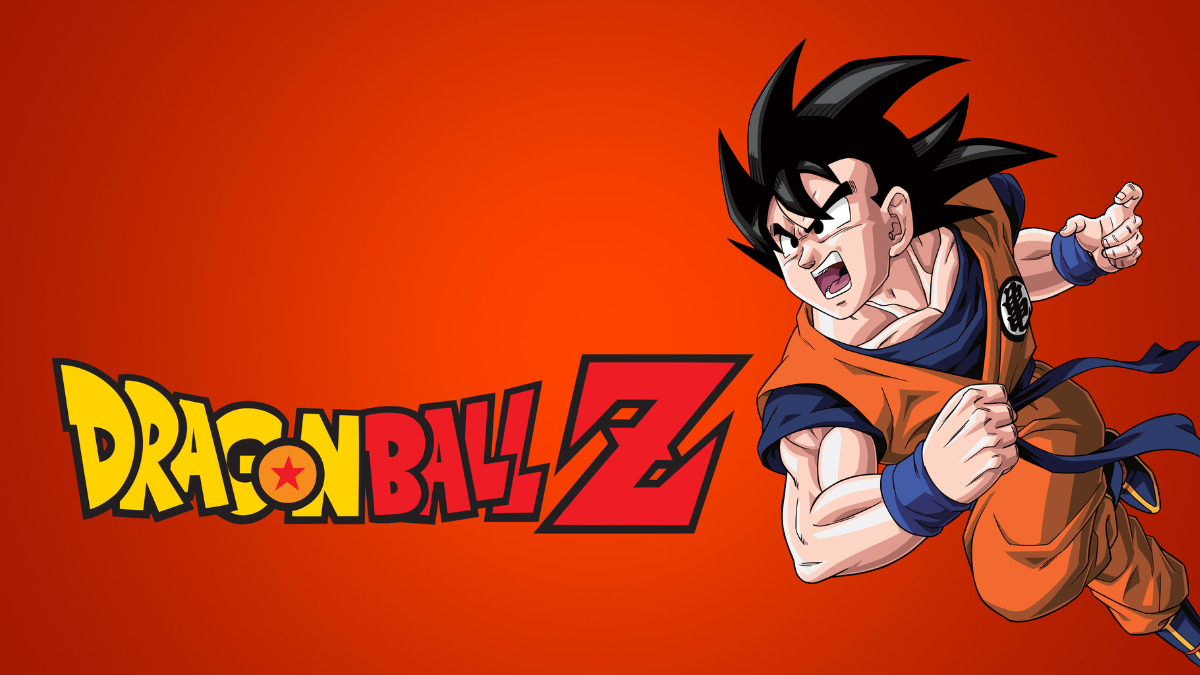
Dragon Ball Z (DBZ) is more than just a television show; it’s a cultural phenomenon that has influenced millions of fans worldwide. Created by Akira Toriyama, DBZ is the sequel to the original Dragon Ball series and continues the adventures of Goku, his friends, and their epic battles to protect Earth and the universe. This anime has left an indelible mark on pop culture, inspiring video games, movies, merchandise, and countless other anime series.
What is DBZ?
DBZ, short for Dragon Ball Z, follows the adventures of Saiyan warriors and their allies. The story focuses on Goku, a Saiyan raised on Earth, who protects his home from powerful villains. The series explores themes of friendship, perseverance, and the never-ending quest to grow stronger. Unlike its predecessor, DBZ places a greater emphasis on intense battles and supernatural abilities, featuring energy blasts, transformations, and interplanetary threats.
The Origins of DBZ
DBZ was first broadcast in Japan in 1989 and ran until 1996, spanning 291 episodes. The series was adapted from the second portion of Toriyama’s manga Dragon Ball. It built upon the foundation of Dragon Ball, introducing more dramatic story arcs, higher stakes, and more complex villains. The series was eventually dubbed in English and became a global hit, making Goku and his friends household names across multiple generations.
Main Characters of DBZ
DBZ features a diverse cast of memorable characters. Here are some of the most iconic:
-
Goku—The main protagonist and a Saiyan warrior who constantly strives to surpass his limits.
-
Vegeta—The proud Saiyan prince, initially an enemy, later an ally.
-
Gohan—Goku’s eldest son, known for his hidden potential and extraordinary power.
-
Piccolo—Former enemy turned ally, a Namekian warrior with wisdom and strategic fighting skills.
-
Frieza—One of the most infamous villains in the DBZ universe, whose actions spark the iconic Namek saga.
-
Cell and Majin Buu—villains who push the heroes to new heights, introducing concepts like perfect forms and absorption.
Each character has a unique personality, fighting style, and personal journey, which adds depth and richness to the series.
DBZ Story Arcs
DBZ is structured into several major story arcs, each with its own challenges, villains, and climactic battles:
Saiyan Saga
The series begins with the arrival of Vegeta and Nappa, two Saiyan warriors seeking the Dragon Balls. Goku faces them in his first major battle, showcasing the series’ signature energy-based combat.
Namek Saga
Goku travels to the planet Namek to gather Dragon Balls and confront the tyrant Frieza. This arc introduces Super Saiyan transformations and some of the most epic battles in anime history.
Android Saga
The emergence of androids and the bioengineered villain Cell forces the heroes to train and evolve. It emphasizes strategic battles and showcases characters like Trunks, Goku’s future son.
Majin Buu Saga
The final major arc of DBZ features the magical and destructive villain Majin Buu. This saga combines humor, heartwarming moments, and intense fights, culminating in Goku achieving Super Saiyan 3.
Iconic Transformations in DBZ
Transformations are a defining feature of DBZ. They signify power-ups and evolution in combat capabilities:
-
Super Saiyan – The legendary form that multiplies a Saiyan’s power exponentially.
-
Super Saiyan 2 and 3—advanced stages that bring even more strength and energy attacks.
-
Fusion Forms—Goku and Vegeta can fuse into Vegito or Gogeta, creating an immensely powerful warrior.
-
Other Transformations—Characters like Frieza, Cell, and Buu have unique transformations that escalate tension in battles.
These transformations not only boost strength but also often symbolize emotional growth and determination.
The Impact of DBZ on Pop Culture
DBZ has influenced not only anime but also global pop culture. Its impact is seen in:
-
Video Games—Countless games are inspired by DBZ, including fighting and role-playing games.
-
Merchandise—Action figures, clothing, and collectibles remain popular decades after the show first aired.
-
Memes and Internet Culture—Phrases like “It’s over 9000!” have become part of everyday internet lexicon.
-
Inspiration for Other Media—DBZ’s style and storytelling have influenced other anime, cartoons, and even music videos.
Why DBZ Remains Popular
Even decades after its original release, DBZ remains relevant due to its compelling storytelling, unforgettable characters, and high-energy battles. Its universal themes of perseverance, friendship, and self-improvement resonate with fans of all ages. Additionally, the series has been remastered and re-released in various formats, making it accessible to new generations.
DBZ Movies
Alongside the TV series, DBZ has spawned numerous movies. Some notable ones include
-
Dragon Ball Z: Dead Zone—Introduces Garlic Jr., a new villain with unique abilities.
-
Dragon Ball Z: The World’s Strongest—Explores a battle against Dr. Wheelo.
-
Dragon Ball Z: Battle of Gods—Features the God of Destruction, Beerus, and introduces the concept of Super Saiyan God.
-
Dragon Ball Z: Resurrection ‘’F’—Brings back Frieza for a powerful showdown.
These films expand the DBZ universe, providing fans with additional adventures and epic battles.
DBZ Video Games
The DBZ franchise has been adapted into multiple video game series:
-
Dragon Ball Z: Budokai Series—Popular fighting games on PlayStation and Xbox.
-
Dragon Ball Z: Xenoverse Series—Combines role-playing elements with classic DBZ battles.
-
Dragon Ball FighterZ—A critically acclaimed 2D fighting game praised for its visuals and combat mechanics.
These games allow fans to immerse themselves in the DBZ world, recreate iconic battles, and even explore alternative storylines.
Why DBZ is a Must-Watch
DBZ offers a unique blend of action, comedy, and emotional storytelling. Its epic battles are balanced with moments of humor and heart, keeping viewers engaged throughout. With its memorable characters, transformative power-ups, and compelling villains, DBZ provides both entertainment and inspiration.
Whether you are watching it for nostalgia or experiencing it for the first time, DBZ is more than just anime—it’s a legendary journey that showcases courage, friendship, and the relentless pursuit of strength.
FAQs About DBZ
Q1: What does DBZ stand for?
A1: DBZ stands for Dragon Ball Z, the sequel to the original Dragon Ball anime series.
Q2: Who is the strongest character in DBZ?
A2: The strongest characters vary by saga, but Goku, Vegeta, and fused forms like Vegito are considered some of the most powerful.
Q3: Is DBZ suitable for kids?
A3: DBZ contains action violence and intense battles, so it is generally recommended for older children and teenagers.
Q4: How many episodes are in DBZ?
A4: The original DBZ series has 291 episodes, divided across several major story arcs.
Q5: Can I watch DBZ without seeing Dragon Ball?
A5: Yes, but watching Dragon Ball first provides context for Goku’s origins and early adventures, enhancing the experience.
Q6: What makes DBZ different from other anime?
A6: DBZ is known for its epic battles, iconic transformations, memorable characters, and the universal themes of perseverance, friendship, and growth.
Conclusion
DBZ remains one of the most influential anime series of all time. Its combination of action, character development, and imaginative storytelling has ensured its place in the hearts of millions of fans worldwide. Whether through the original series, movies, or video games, the world of DBZ continues to captivate and inspire new generations. For anyone looking to experience epic battles, unforgettable characters, and the ultimate tale of heroism, DBZ is a must-watch.
The legacy of DBZ proves that great storytelling, when paired with imaginative creativity, can transcend generations, leaving a lasting impact on global pop culture.